Featured

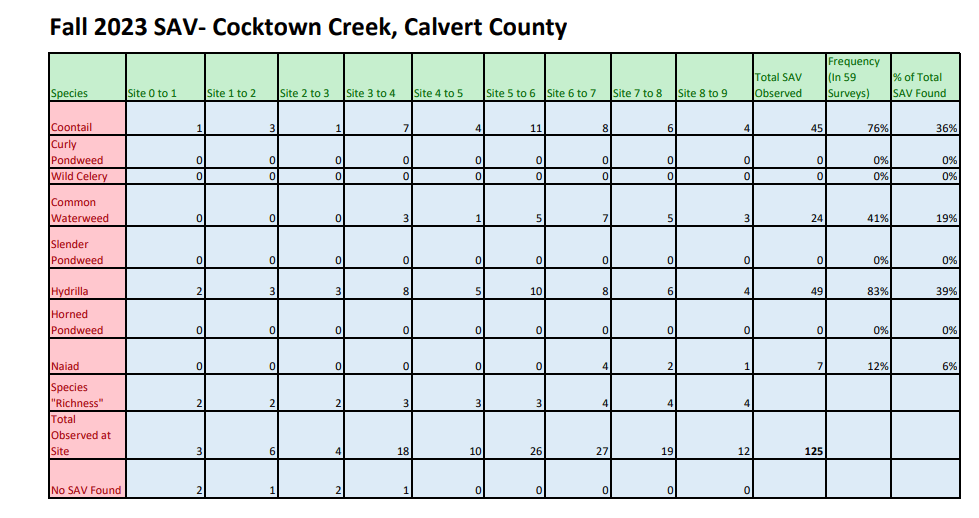
Fall 2023 SAV Data

November 21, 2023

It was a wonderful SAV season in Cocktown Creek with cooperating weather and lots of SAV. Hydrilla and Coontail were the most prevalent species, but we were pleasantly surprised by the amount of Common Waterweed that was surveyed. It seems like this plant is making a comeback in the creek!

Interestingly enough, the students found two different types of Naiad on earlier trips in the season, but its presence seemed to die off once the water temperatures dropped.

Horned Pondweed Zanichellia Palustris

The CHESPAX team is gearing up for another Spring SAV (Submerged Aquatic Vegetation) season with the Calvert County Public School’s 7th graders. There are several species of SAV that can be found in Cocktown Creek during the spring. One species of SAV that is normally prevalent in high numbers early in the season is Horned Pondweed.

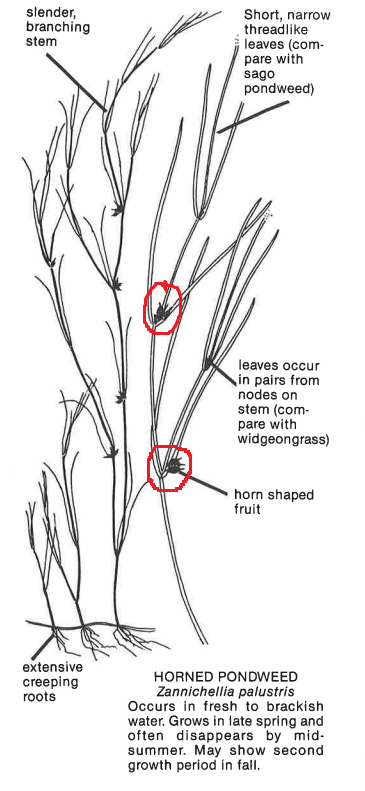
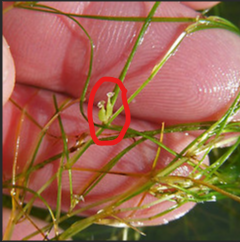
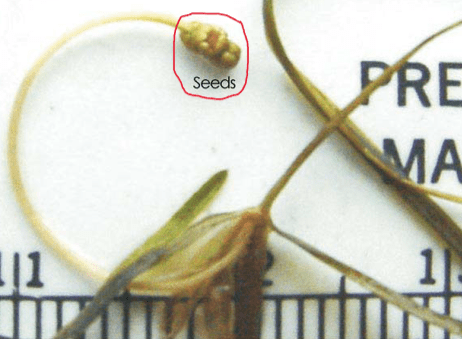
Horned Pondweed is very similar to Slender Pondweed but has an important difference. The leaves on Horned Pondweed grow in clusters opposite one another on the stem and it has “horn-like” seeds that grow between the leaves and the stem during the late spring. Because Horned Pondweed is comparable to Slender Pondweed when flowers and seeds are not present, this is a tricky SAV species for 7th grade students to identify.

Last spring, we completed 46 surveys. The students were able to find Horned Pondweed samples 97% of the time. There was one testing area between markers 1 and 2, where they were unable to locate Horned Pondweed. Between those specific markers, the bottom of the creek is not as flat, and the water is deeper. Both factors make this area not as hospitable for SAV growth.

Compare the photos below:

Ophelia and the Spotted Sea Trout

October 17, 2023

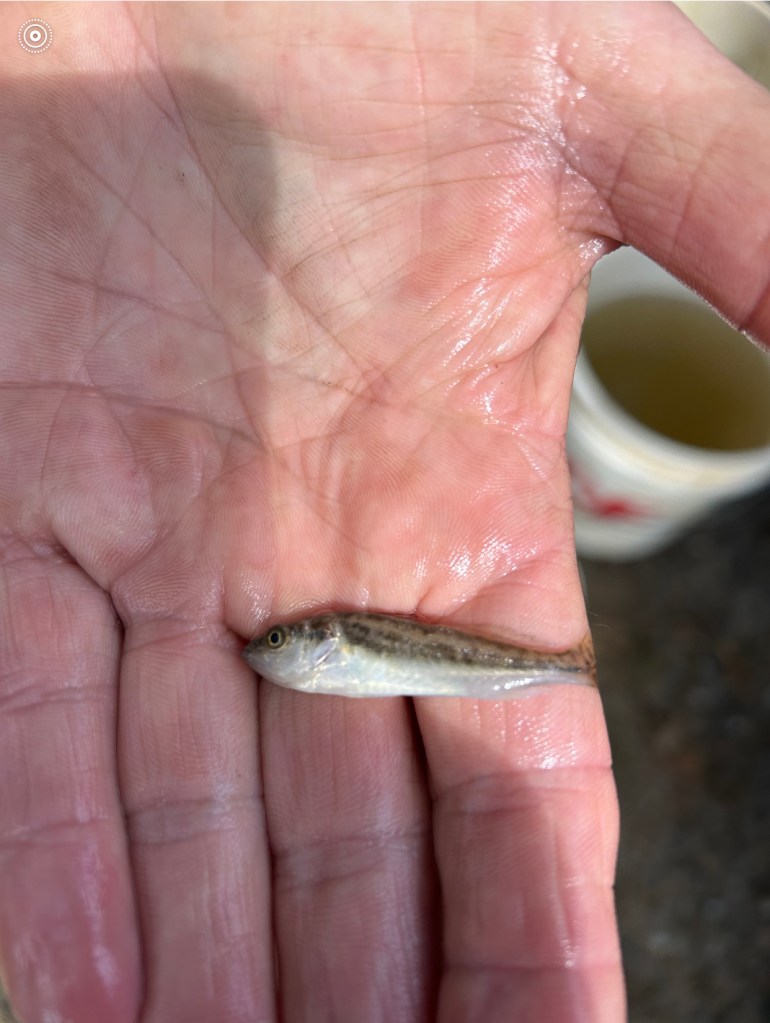
On 9/27/2023, Mr. Pellock’s 7th grade science class seined the very first Spotted Sea Trout that CHESPAX has on record. The CHESPAX team haven’t seen a Spotted Sea Trout in at least 25 years of instructing the SAV program. This was a special catch that could have been linked to the post-tropical cyclone Ophelia, which impacted the Chesapeake Bay area on the third weekend in September.

With the high winds and heavy rain, lots of coastal areas were flooded.  The direction of the storm caused higher tides and increased salinity levels in the bay’s surrounding tributaries.  This is a possible reason why the Spotted Sea Trout was found that far into the Patuxent River.

The Spotted Sea Trout is not actually a trout, but a member of the drum family. They are most abundant in the mid-Atlantic and southeastern regions of the United States and prefer salinity levels between 5-35ppt.  

Local fishermen also reported the presence of Red Drum off the King’s Landing Pier. This is also an uncommon species in the river and is further evidence of higher salinity levels caused by Ophelia. Witnessing new varieties of fish during seine hauling generates excitement during the SAV field studies and leaves the students questioning what other species are in the Patuxent.

Mr. Pellock’s 7th Grade catch

Male and Female Spotted Sea Trout

Take it With a Grain of Salt

The CHESPAX team is back out in Cocktown Creek with the Calvert County Public School 7th graders to monitor the SAV (Submerged Aquatic Vegetation) for the Fall 2023 season.  The first two canoe trips were strenuous because of the high temperatures, but the students succeeded in obtaining the SAV and water samples needed for the overall data collection.

One of the water quality tests the students conduct is the amount of salinity in the creek. The students use a measuring tool called a hydrometer to get an accurate reading. What the students found is that the salinity levels in the creek were the highest they had been in years, averaging 6 PPT!!  This is way more than the normal average of .5-2 PPT. It was up to the students to ascertain what abiotic factors contributed to this substantial increase in salt.

At the end of our class, the students correctly determined that more rain would dilute the creek causing lower salinity.  Since it has been a hot, dry summer the salinity level rose by several PPT, which can make the environment unfavorable for SAV. Fortunately, the conditions of the creek change quickly, and the salinity levels returned to normal within a few days.

Students from WHMS testing their water samples with the CHESPAX hydrometer.